The digital employee experience (DEX) reflects how effectively employees interact with the digital tools at their workplace. This includes tools for:

Time tracking app
312 Liked
4.5 minutes read
New research reveals: How digital employee experience drives success?

“Can’t access my computer at the moment” – sound familiar?
This isn’t just an excuse; it points to a core challenge in today’s modern workplace: the “digital barrier.” This refers to the gap between full web-based management and the limited tools available on mobile devices. Every time a team manager has to pause to approve a change, allocate resources, or check data through a desktop, the organization loses both time and money. Beyond impacting workflow and productivity, it also affects the Digital Employee Experience (DEX).
What is DEX, and why does it matter?
-
-
Workflow optimization (project and task management, data analysis)
-
Communication (email, video calls, notifications)
-
Learning (guides, training, professional development)
-
Human resources (reports, payroll, attendance management including absence approvals, expense reporting)
-
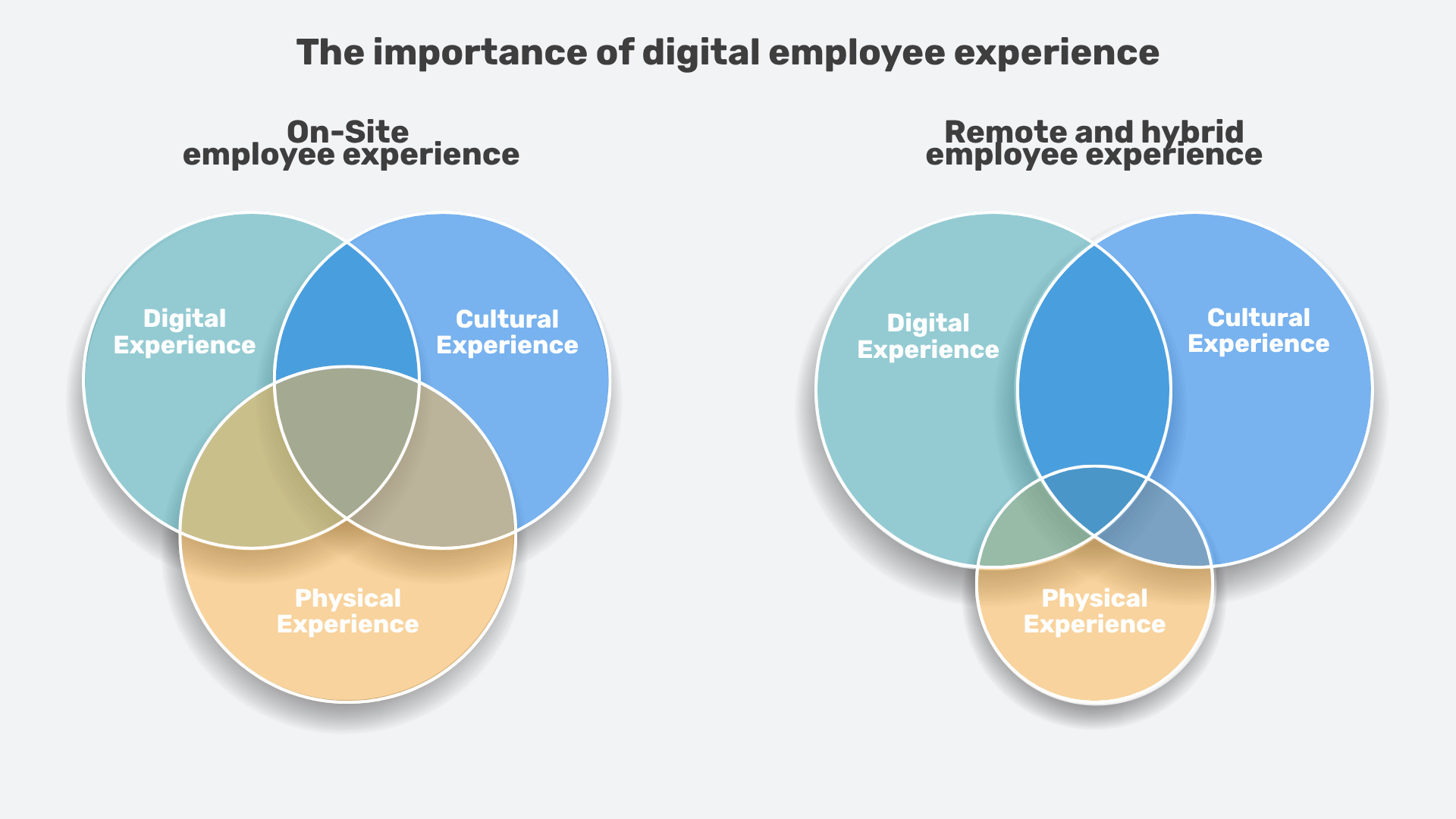
A strong digital employee experience is an integral part of the overall employee experience, especially in today’s hybrid and remote work environments. Employees expect seamless, intuitive technology that empowers them to work efficiently and productively.
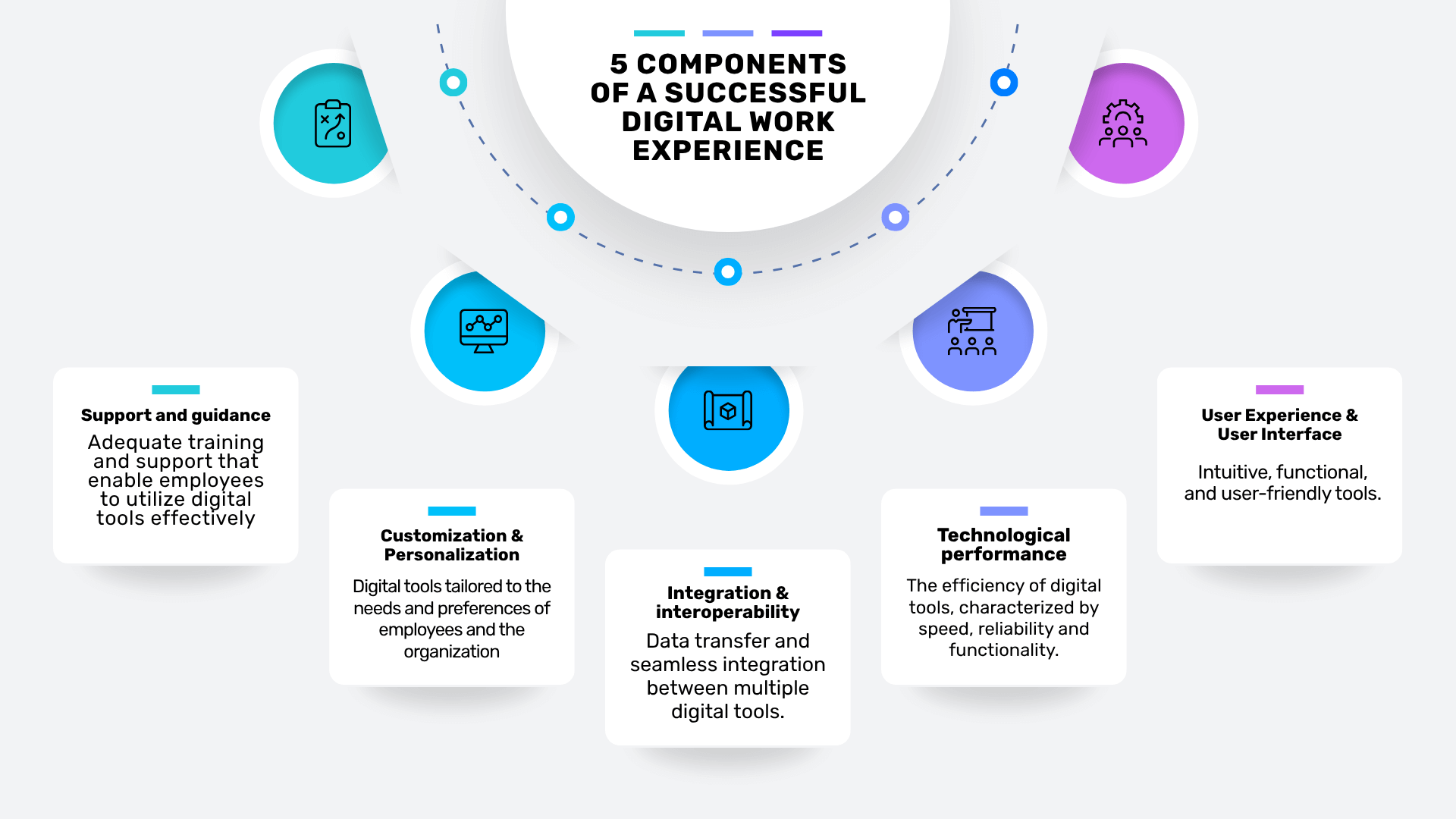
The components for a successful DEX
-
User interface and experience: Tools must be intuitive, functional, and visually appealing.
-
Technical performance: Speed, reliability, and system responsiveness are essential.
-
Integration: Different tools should work seamlessly together to optimize workflow (e.g., automated data transfer).
-
Customization & Personalization: Digital tools should be tailored to the needs and preferences of both employees and the organization.
-
Support and training: Employees must receive proper guidance to fully leverage the tools’ potential.
-
Compromising on any of these components can result in technology that slows down employees and managers instead of supporting them in their tasks.
-
![]()
AIHR Research: the three drivers of a perfect DEX
-
The comprehensive 2025 Digital Employee Experience report from AIHR (Academy to Innovate HR) establishes a direct link between digital tools and organizational productivity. The findings demonstrate how leading organizations boost productivity not by adding more technologies, but by streamlining and integrating their existing tech stack.
According to the report, three key operational principles can help you break through the digital barrier and ensure a successful DEX:
Integration and consolidation: less is more
-
AIHR research emphasizes the need to reduce the number of apps the organization is work with.
Today, most organizations rely on basic mobile apps for immediate needs (such as clocking in/out) and then switch to complex web-based systems to manage tasks, report expenses, or generate and edit reports.
The challenge: Confusion and wasted time switching between apps—up to two hours per day—translating into a 20%-30% drop in daily productivity. Additional costs include higher administrative costs, payroll delays, and more.
The solution: smart consolidation. One app that unifies all human resource management needs – from task management and reports generation to expense reimbursement – within a single interface. This ensures data consistency, reduces errors, and streamlines operations.
Mobile accessibility: anywhere, anytime
-
The “digital barrier” forms when critical tools are not mobile-friendly or easily accessible.
Mobile accessibility is not a luxury upgrade—it’s a strategic necessity and a core component of DEX.The challenge: Lack of flexibility, inability to manage remotely, frustration and burnout, decreased employee satisfaction, and employee retention challenges.
The solution: An optimal mobile experience, fully adapted for smartphones. All essential tools – for both managers and employees – are accessible anytime, anywhere, including abroad. Task management becomes more efficient, procrastination is reduced, and employee burnout decreases significantly.
![]()
Automation and data management: the biggest efficiency gain
-
The core objective of DEX is to free employees from manual, repetitive tasks and redirect their energy toward activities that require critical thinking, creativity, and complex decision-making. This is how technology empowers employees rather than burdens them.
The challenge:
The problem: time wasted on “mechanical” tasks, increased burnout and frustration, higher risk of errors and delays, and gaps in information (incomplete, outdated, or inconsistent data).
The solution: full process automation. According to AIHR, automation can directly reduce administrative workload for HR and payroll departments by over 30%. This minimizes human error, lowers support tickets, and ensures accurate, reliable data.
Happy employees = satisfied customers
-
The research shows that employee experience (EX) and customer experience (CX) are linked. Companies that invest in a positive EX consistently outperform their competitors. Streamlined and efficient workflows help employees believe in your brand, which directly translates into more meaningful interactions and a positive perception of your organization among customers.
Breaking the digital barrier
-
The digital wall isn’t a software problem – it’s a management issue. Organizations that continue to rely on fragmented systems and inaccessible tools are holding themselves and their employees back. At the close of 2025, it’s clear: the key to organizational success is simple, unified, and accessible technology – one that allow employees and managers to operate from anywhere, anytime, without being tied to an office computer
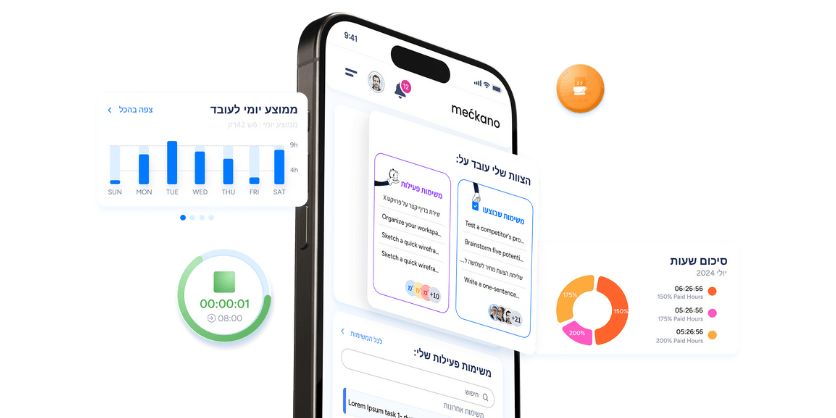
At Meckano, we decided to break that barrier. Our new time tracking app was designed to create a seamless digital employee experience – always available and centralizing all organizational needs in one place.
Want to see how Meckano can help you boost DEX? Try us for free.





Why not stay in touch?
Be the first to get our latest updates and solutions